Full List of What is Allowed and Not Allowed in Your Dumpster
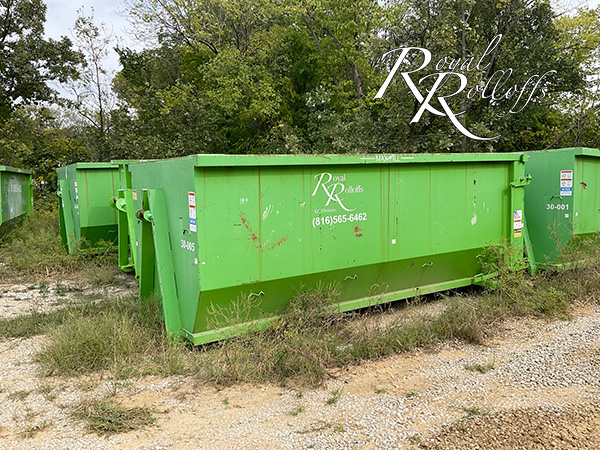
While organizing your next cleanout or remodel in Independence, MO, understanding what can and cannot go into your dumpster rental is very important. Homeowners and contractors are often unaware to learn that certain items cannot go into a dumpster. Understanding these rules helps prevent issues, unexpected charges, and compliance issues throughout the job. At Royal Rolloffs, we aim to make the process simple by showing you what you can load and what requires special handling. This guide ensures you stay compliant and use your dumpster correctly.
Responsible disposal goes beyond simply getting rid of junk. It helps meet city and state rules, protects everyone on the jobsite, and supports environmental responsibility. Sorting your materials correctly, you can stay on schedule without complications. This article covers common categories of waste, shows what to avoid, and gives suggestions for proper loading and disposal.
General Household Items and Clutter
Household clutter is typically permitted. Items like old furniture, clothing, toys, cardboard, paper, and non-hazardous trash are all acceptable. These common materials are easy to dispose of and make up the bulk of waste generated during cleanouts and move-outs. If you are organizing a whole-home purge, these are typically the first items to go into the container. Keeping them together and organized helps maximize space and keeps the loading process efficient.
You can also dispose of materials from home renovation such as drywall and flooring. These are typical results of repairs and remodels. To make the most of the space, break down larger items when possible and place heavier materials at the bottom. This technique keeps the dumpster balanced and efficient. Organized loading saves time and prevents needing extra pickups.
Outdoor Projects and Yard Debris
Most green waste like grass, branches, and leaves can be tossed in. People rent them for lawn renovations, hedge trimming, and cleanup efforts. Sorting outdoor debris apart from trash ensures proper processing. It is recommended to cut down oversized roots and stumps before loading, because they can need separate disposal methods.
Exterior structures like fences and decks may go in as long as untreated. Wood should be free of lead-based paint or creosote, as those materials may require different disposal methods. If you are replacing concrete or bricks, these can also go into a dumpster but should be loaded evenly to avoid overloading. Balanced weight prevents issues during pickup and transport.
What You Must Keep Out of the Dumpster
You cannot put every type of waste inside the dumpster. Chemicals, fuels, and hazardous liquids are never allowed. These substances can leak or react, creating dangerous conditions for waste handlers and the environment. Always check with local waste authorities for safe disposal options.
Appliances containing refrigerants, such as refrigerators and air conditioners, may also be restricted unless they have been properly drained. Bulbs and batteries cannot go into general trash due to hazardous materials. Medical waste, biohazard materials, and certain contaminated soils are also prohibited. Learning the prohibited items early avoids project delays.
Construction Site Debris
Dumpster rentals are frequently used for construction and demolition waste. Wood, roofing materials, metal, and concrete are typically allowed and may be placed in the same container. Keeping debris organized by type simplifies hauling and supports recycling programs. We coordinate with project managers to make sure construction materials are disposed of properly.
Tear-down projects generate large quantities of waste like tiles, plaster, and glass. They may be disposed of if free of hazardous substances like asbestos. Asbestos requires professional testing and abatement before loading. Organizing debris removal in advance supports efficiency and jobsite safety.
Special Handling for Heavy Materials
Concrete, soil, and stone can go in a container but must be handled carefully. Excessive weight may damage the container or truck. Users must monitor how much heavy waste they load. You may need to split loads to keep weights manageable.
During excavation or yard work, place dirt and rock evenly. Even loading avoids damage and makes pickup safer. Letting us know what heavy debris you have helps us prepare the right solution. Planning ahead ensures that the container is used safely and efficiently for your project needs.
Eco-Friendly Disposal and Recycling
Responsible disposal helps maintain a healthy community and ecosystem. By keeping hazardous items out of the dumpster and recycling where possible, you reduce the amount of waste going to the landfill. We partner with recycling and disposal facilities for responsible waste processing. Supporting these practices keeps Independence, MO, beautiful and safe.
When customers take time to separate recyclables like metal, cardboard, and certain plastics, it makes the disposal process more sustainable. It benefits both the environment and the disposal process. Royal Rolloffs helps clients organize their waste for proper disposal. Compliance and responsibility go hand-in-hand when these steps are followed.
Ensuring a Smooth Dumpster Rental Experience
Learning the rules helps avoid issues during the rental period. Residents and contractors in Independence, MO, choose Royal Rolloffs for reliable waste handling. By sorting materials correctly, keeping prohibited items out, and planning ahead for heavy loads, you can save time and keep your project moving forward. We focus more info on keeping the rental process convenient and secure. Whether you are clearing out a home, managing a construction project, or tackling a large landscaping job, we make sure your dumpster rental works for you.